16th Intl Conference on Vibration Measurements by Laser and Noncontact Techniques & Exhibition
Ancona, Italy
Organised by
in collaboration with
with the support of

Presentation
The International Conference on Vibration Measurements by Laser Techniques was first held in October 1994 and since its very first edition it has met large consensus among the International Research Community.
The Conference aims at creating an active and stimulating forum for sharing current research results and technical advances and for promoting the development of new systems for laboratory use, field testing and industrial applications. For this reason, experts in vibration and acoustics, manufacturers and authorities in the field of optical and non- invasive instrumentation and industrial users of such measurement devices have come from all over the world to present their activities and innovative approaches to vibration measurements.
In 2010 the Scientific Commitee decided to broaden the topics dealt with by the event by including also noncontact measurement techniques, to offer a more complete overview.
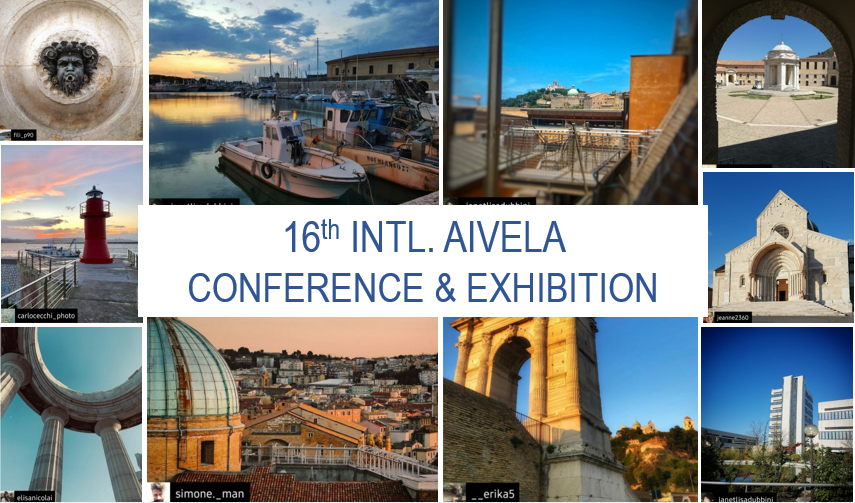
The 2025 edition of the event will be held in Ancona, Italy, in the beautiful setting of the Conero Riviera, on 24th-26th June 2025.
Download the Call for Papers here.
Final Programme
FINAL PROGRAMME (updated on 21st June)
Download the Full Programme here
TUESDAY, 24th June | |
08.30 | REGISTRATION |
09.00 | WELCOME by Prof. E.P. Tomasini, President of A.I.VE.LA., Italy |
09.20 | Session 1: NON-CONTACT MEASUREMENT TECHNIQUES for ADVANCED STRUCTURES CHARACTERIZATION and RELIABILITY ASSESSMENT 1 |
10.20 | INVITED LECTURE |
11.00 | COFFEE BREAK |
11.20 | Session 2: ACOUSTICS |
12.20 | TUTORIAL |
13.00 | LUNCH |
14.00 | Session 3: CONTACTLESS MEASUREMENTS and COMPUTER VISION for PRECISION AGRICULTURE |
14.40 | TUTORIAL |
16.10 | COFFEE BREAK |
16.30 | HANDS-ON DEMOs |
17.30 | Session 4: OPTICAL SENSORS 1 |
18.30 | END of DAY 1 |
20.15 | Aperitivo @ GALLOROSSO al GUASCO |
WEDNESDAY, 25th June | |
08.30 | REGISTRATION |
09.00 | Session 5: THE POWER of SEEING MOTION: INNOVATIONS in OPTICAL TECHNIQUES for VIBRATION and DYNAMIC TESTING |
11.00 | COFFEE BREAK |
11.20 | INVITED LECTURE |
12.00 | Session 6: MANUFACTURERS’ PRESENTATIONS |
12.40 | Session 7: BLADE TIP TIMING |
13.20 | LUNCH |
14.40 | TUTORIAL and HANDS-ON DEMO |
15.40 | Session 8: OPTICAL SENSORS 2 |
17.20 | END of DAY 2 |
20.00 | GALA DINNER @ Ristorante l’Ascensore |
THURSDAY, 26th June | |
09.00 | Session 9: NON-CONTACT MEASUREMENT TECHNIQUES for ADVANCED STRUCTURES CHARACTERIZATION and RELIABILITY ASSESSMENT 2 |
10.00 | INVITED LECTURE |
10.40 | Session 10: NON-INVASIVE TECHNIQUES FOR BIOMEDICAL APPLICATIONS |
11.20 | COFFEE BREAK |
11.40 | Session 11: VISION SYSTEMS and IMAGING TECHNIQUES in the CONSTRUCTION INDUSTRY: MEASUREMENT STRATEGIES to SUPPORT SUSTAINABILITY and CIRCULARITY |
13.00 | LUNCH |
13.45 | FINAL GREETINGS & END of CONFERENCE |
Call for Papers
Papers are sought on every aspect of Vibration Measurements by Laser and Noncontact Techniques.
Click here for the list of Measurement Techniques and Application Areas given as guidance.
The deadline for abstract submission is 10th May 2025.
Extended abstracts on the topics of the conference must be sent to the Conference Secretariat together with the Pre- Registration Form.
Abstracts should include:
1. Title of paper;
2. Full names of all Authors (the name of the Presenting Author must be underlined);
3. Affiliation;
4. Text (about 500 words plus supporting figures).
Authors are requested to send their abstracts by e-mail to: aivela@univpm.it.
Notification of abstract acceptance and instructions for manuscript preparation will be provided by 12th May 2025.
Please, note that one author per paper is required to register and attend the Conference.
For each additional paper, an extra fee of €80.00 will be charged.
PROCEEDINGS
The proceedings will be published in electronic format after the event by an internationally renowned Publishing House and indexed in the leading databases of scientific & engineering literature, including SCOPUS, ISI Web of Science, etc. Further details will be available in due course.
LANGUAGE
The official language of the Conference is English.
MEASUREMENT TECHNIQUES
• Laser Doppler Vibrometry: Single-point LDV, Scanning LDV – 1D/3D, Continuous Scanning LDV, Tracking LDV, Fiber Optic LDV, In-plane LDV, Torsional LDV, Differential LDV
• Full Field Interferometric Techniques
• Holographic Techniques
• Electronic Speckle Pattern Interferometry (ESPI)
• Sherearography
• Speckle Techniques
• Vision Based Techniques: Digital Image Correlation – DIC, High Speed Vision, Videogrammetric Techniques, Structured Illumination
• Optical Sensors: Triangulation Sensors, Fiber Optic Sensors, Non- Interferometric Techniques, Fiber Bragg Gratings, Blade Tip Timing, Radar Laser
• Microwave Interferometry: Radar Based Techniques, Continuous Wave, Stepped Frequency (CW-SF), Continuous Wave Frequency Modulated (CW-FM)
• Ultrasonic Techniques: Non Contact Ultrasonic Probes, Laser Ultrasonics
• Thermoelasticity
• Photoelasticity
• Signal Processing Techniques
• Microscopic Laser-Doppler Vibrometry
• Multi-Channel LDV
• New Components for LDV
• Photonics Integrated Circuits for LDV
• Techniques to Avoid Speckle Effects
• Parameter Identification from LDV-Data (LDV Spectroscopy)
• Vibration Detection in Optical Coherence Tomography
• Technical Solutions for Sub-Femtometer LDV.
APPLICATION AREAS
• Acoustics
• Active and Passive Noise & Vibration Control
• Vibro-acoustic and Noise, Testing, Noise Vibration Harshness NVH and Control
• Modal Analysis
• Metrology, Calibration and Standards
• Non Destructive Testing and Damage Detection: Condition Monitoring, Diagnostics, Maintenance, Quality Control
• Industrial Diagnostics and Quality Control
• Civil Structures and Infrastructures: Bridges, Dams, Tunnels, Buildings, Towers, Environmental Noise, Diagostic, Safety Assessment
• Laser in Art Conservation: Frescoes, Mosaics, Statues, Wooden Artworks
• Vibrations and Health: Lasers in Biomedical Applications, Ergonomics
• Laser Measurements in Microsystems & Nano Technologies: MEMS, Electro-Optical Microsystems, Smart Structures, Smart Materials, Biomedical Microsystems
• Transport: Noise Vibration Harshness NVH Comfort Safety: Automotive, Aeronautics, Rail Transportation, Maritime, Aerospace
• Security: Applications Against Fraud, Defence ApplicationsI
• Rotating Machinery: Turbomachinery, Windmill Generators, Propellers, Fans
• Vulcanology, Hearthquake Engineering
• Noise & Vibration in Agriculture
• Food Processing
• Industrial Process Monitoring and Control: Robotics Processing, Machinery, Assembly Systems, On-line Quality Control, Packaging
• Electromobility
• Gravitational Wave Detection
• Cavity Optomechanics
Invited Lectures, Tutorials & DEMOs
INVITED LECTURES, TUTORIALS & DEMOs
Invited Lectures will be delivered by leading personalities in the field of vibration measurements by laser and non-contact techniques, while Tutorials and Hands-on DEMOs will be given by leading manufacturers of laser vibrometer systems and optical and non-invasive instrumentation.
This is just a provisional list.
INVITED LECTURES
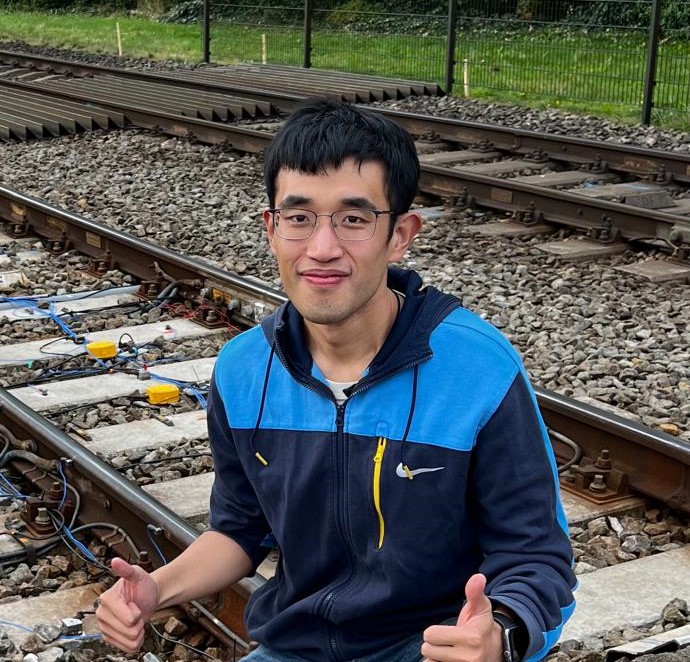 – “Mobilizing Laser Doppler Vibrometer for Railway Track Monitoring: From Concept to Field“
Dr. Yuanchen Zeng, Delft University of Technology, The Netherlands
ABSTRACT
Monitoring the dynamic properties of railway tracks is essential for ensuring train safety, quality and optimizing track maintenance strategies. However, existing train-borne technologies are inadequate for capturing such properties concerning a variety of track components and a broad frequency range. To address this gap, we are developing a novel solution utilizing a Laser Doppler Vibrometer (LDV) mounted on a moving train. The laser spot targets and continuously scans railway track surfaces as the train moves, contactlessly measuring track vibrations in response to the moving train.
This innovative approach presents many challenges, including irregular and broadband speckle noise from scanning rough surfaces, speed-dependent signal quality and usability, unknown dynamic train loads, and large volumes of noisy, unlabeled data. Bridging the gap from concept to real-world application also demands comprehensive solutions in instrumentation design, data fusion, and extraction of meaningful, interpretable, and actionable information.
This talk will introduce TU Delft’s research and innovations in overcoming these challenges and advancing the train-borne LDV technology from theoretical studies, through controlled laboratory experiments, to field tests on the Dutch railways. The developed technology enables frequent monitoring of railway track dynamic properties under operational conditions, thus supporting predictive and prescriptive maintenance of railway infrastructures.
ABOUT THE SPEAKER
Dr. Yuanchen Zeng is a Postdoc Researcher from the Section of Railway Engineering, Delft University of Technology, The Netherlands. His research interests include structural health monitoring, vehicle-track dynamics, prognostics and health management. A major research focus is on the development and application of train-borne Laser Doppler Vibrometer for rail infrastructure monitoring. He works for Europe’s Rail flagship project IAM4RAIL (Holistic and integrated asset management for Europe’s rail system), Holland High Tech TKI-HTSM projects MemoLDV and 3D-LDVom, and the ProRail project RESET (Reliable embankments for safe expansion in rail traffic). Dr. Zeng received his PhD degree from Delft University of Technology in 2023 with a thesis on Monitoring dynamic properties of railway tracks using train-borne vibrometer measurement. His thesis was selected as the best PhD thesis in 2024 by the European Railway Research Advisory Council (ERRAC).
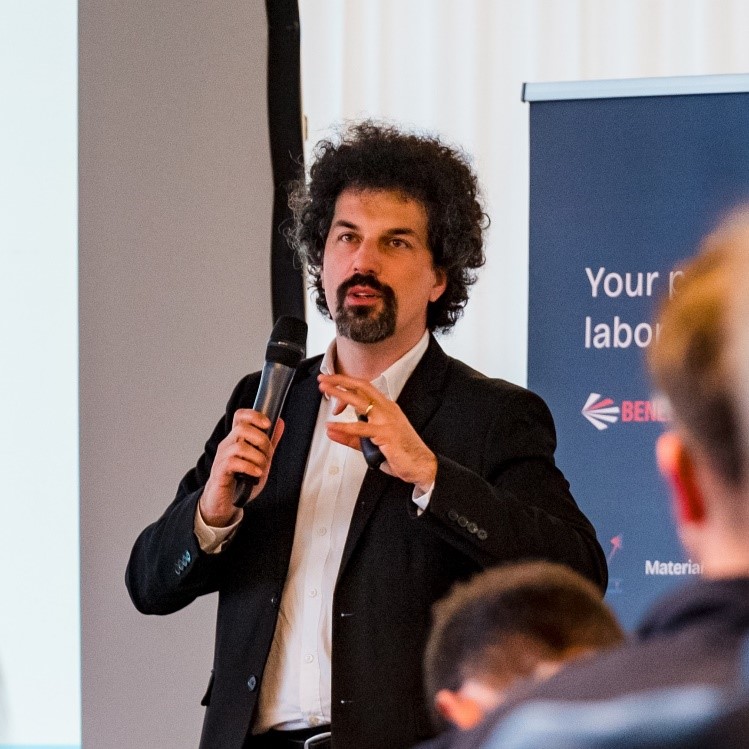
– “Rethinking Material Testing: How Information-Rich Experiments and Inverse Computational Methods Are Driving a New Paradigm“
Prof. Marco Rossi, Polytechnic University of Marche, Italy
ABSTRACT
In recent years, advancements in full-field measurement of displacement and deformation using optical techniques such as digital image correlation, as well as temperature measurement through infrared (IR) cameras, have opened up new possibilities for material testing. Specifically, novel testing methods have emerged to characterize material behavior by leveraging heterogeneous fields of strain and stress. This enables the simultaneous observation of thousands of data points under varying conditions within a single experiment, a paradigm now commonly referred to as Material Testing 2.0 (MT2.0).
Despite its undeniable advantages, there are still three significant challenges that researchers in this field are actively addressing: (i) the determination of the optimal specimen geometry for specific material classes, (ii) the enhancement of computational efficiency in inverse identification methods, and (iii) the assessment and mitigation of the impact of experimental uncertainties. Each of these challenges is closely related to the choice of the numerical method used to extract information from heterogeneous tests (e.g. the virtual fields method, finite element model updating, machine learning techniques, etc.).
In this talk an overview of the latest advances and applications in the field of metal plasticity and high speed testing will be given, focusing on the critical role that numerical methods play in achieving successful outcomes.
ABOUT THE SPEAKER
Marco Rossi is currently Associate Professor at Università Politecnica delle Marche, where he co-leads the Impact and Material Mechanics Lab (IMML). His research interests include inverse methods for identifying material properties from full-field measurements, often referred to as Material Testing 2.0, as well as Digital Image Correlation, non-linear constitutive modeling (especially in plasticity and damage), and their practical applications. He is one of the main developers of the Virtual Fields Method in plasticity and one of the pioneers in using virtual experiments and Digital Twins in experimental mechanics. His significant contributions to the field include the discovery of the interaction between experimental uncertainties and characterization accuracy and the development of numerical methods for advanced material characterization, such as fast stress reconstruction algorithms and volume strain reconstruction from surface data. Recently, he is also exploring the potential of machine learning and artificial intelligence in the field of material characterization.
He obtained his PhD at Università Politecnica delle Marche, then was appointed as postdoctoral fellow at MIT and École Nationale Supérieure d’Arts et Métiers ParisTech before getting his current position. He is member of SEM (Society for Experimental Mechanics) and AIAS (Italian Association of Machine Design). He serves as associated editor for the Journal for Dynamic Behavior of Materials and is on the editorial board of Strain. Additionally, Marco Rossi plays an active role in the scientific committees of several international conferences and works actively in the field of experimental mechanics through relevant research and industrial collaborations and funded projects worldwide.
 – “Non-contact measurement technologies are key to the development of Energy equipment: current needs and trends”
Dr Lorenzo Lorenzi, Baker Hughes
ABSTRACT
Baker Hughes is an energy technology company with a diverse portfolio of equipment and services that span the entire energy and industrial value chain. Industrial & Energy Technology (IET), one of the two segments of BH, combines a broad range of industry expertise, technologies and services for industrial and energy customers. Our solutions enable the efficient transformation, transfer and transportation of energy, capturing and reducing emissions, solving a key challenge at the heart of the energy transition: reducing environmental impact and maximizing efficiency, productivity and reliability.
An overview of non-contact measurement technologies currently being applied to the development of traditional turbomachinery products will be presented. The advantages offered by non-contact technologies over traditional technologies are key to reducing the time to market of new products, reducing development costs.
The development of new products for climate technology, such as chemical plants for carbon capture and H₂ production, requires innovative measurement technologies (Raman, FTIR, Laser Cascade, etc.). An overview of emerging technologies and future needs will be presented.
TUTORIALS:
– “Seeing Motion: The Power of Video Motion Magnification and Estimation“,
Dr Emilio Di Lorenzo (1), Dr Davide Mastrodicasa (1), Dr Francesco Cosco (2)
(1) Siemens Digital Industries Software
(2) University of Calabria
ABSTRACT
The characterization of structural dynamics has traditionally relied on point-based measurement techniques such as accelerometers and laser vibrometers, which, while precise, are often limited in spatial resolution and can be invasive or expensive to deploy at scale. Recent advancements in optical sensing technologies are revolutionizing this field by enabling full-field, non-contact, and cost-effective approaches to vibration and modal analysis.
This lecture presents an in-depth exploration of Video Motion Magnification (VMM), a cutting-edge technique that amplifies imperceptible motion in standard videos to visualize dynamic behaviors in structures. Alongside related emerging methods such as Digital Image Correlation (DIC) and Optical Flow (OF), VMM facilitates spatially dense data collection, opening new possibilities for dynamic testing and structural health monitoring.
We will delve into the core principles of VMM, including Eulerian motion analysis, phase-based approaches, and AI-enhanced frameworks. Each method will be discussed in terms of its mathematical foundation, implementation pipeline, and practical use cases. VMM not only enables enhanced qualitative visualization of mode shapes and operational deflection shapes (ODS) but also supports quantitative displacement estimation, extending its utility from simple visual diagnostics to accurate structural assessment. In recent developments, its integration with 2D and 3D photogrammetry has further improved its potential for true full-field displacement measurement.
Through case studies and real-world applications, this lecture will highlight how VMM is being deployed across a variety of domains, from small-scale mechanical components to large-scale structures such as airplanes and satellites. Whether used in controlled laboratory settings or in situ under operational conditions, VMM provides an accessible and scalable approach for engineers, researchers, and practitioners aiming to better understand and monitor structural dynamics.
ABOUT THE SPEAKERS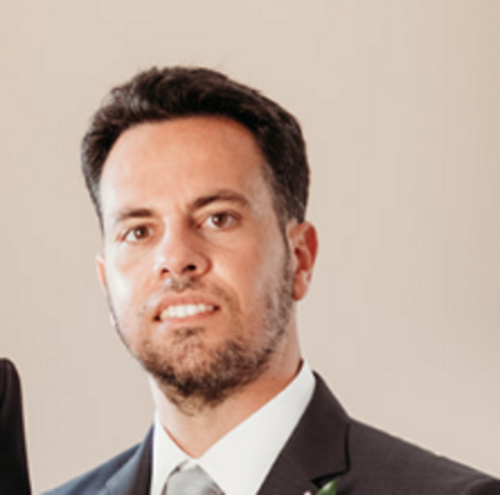
Emilio Di Lorenzo is a Research Engineering Manager at Siemens Digital Industries Software, based in Genoa, Italy. He oversees a diverse team of senior researchers and PhD students, focusing on innovation in structural dynamics and environmental testing. His main research interests include innovative sensor technologies and the combination of simulation and testing for automotive, aerospace, and wind energy applications.
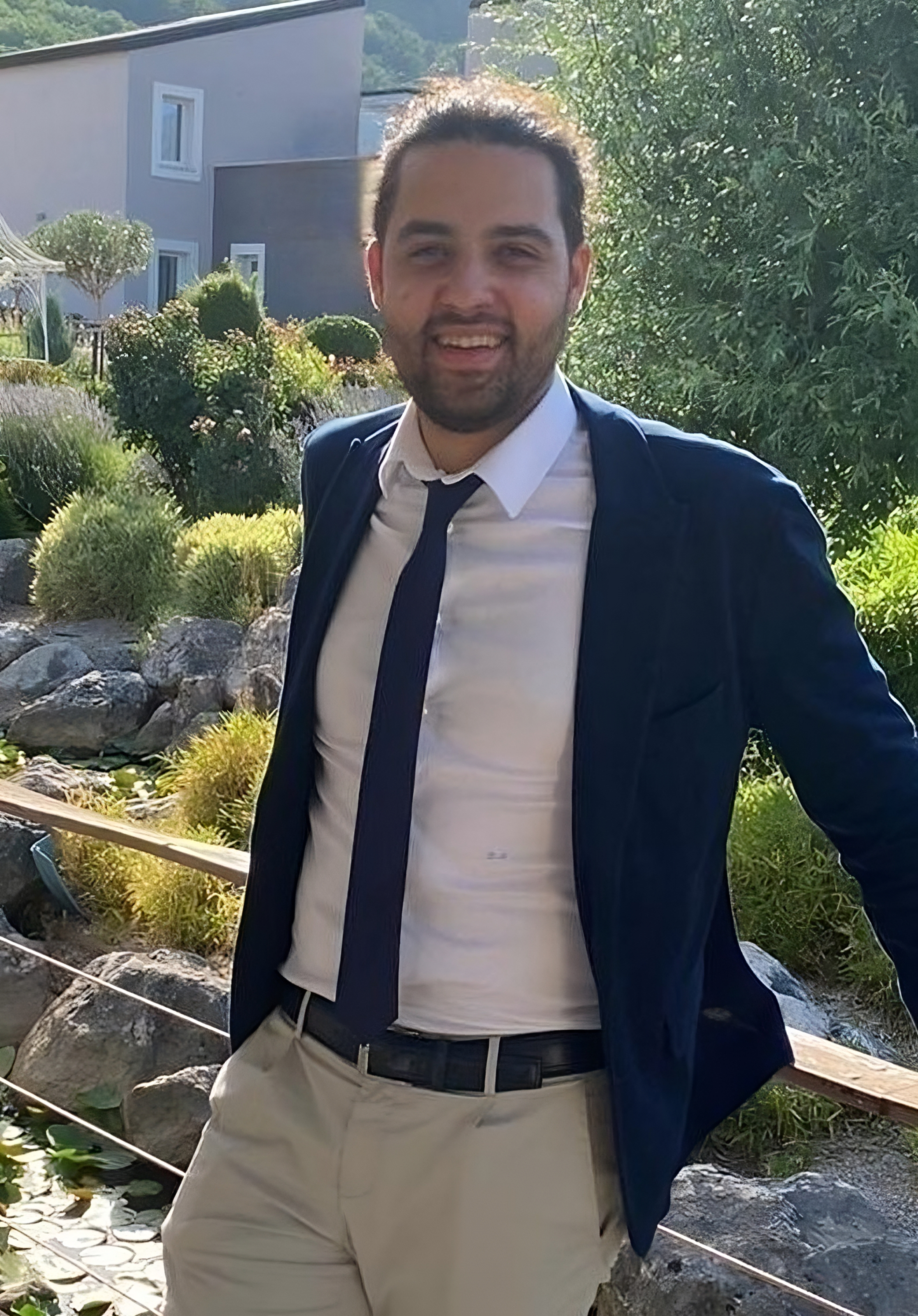
Davide Mastrodicasa is a Research & Development Engineer at Siemens Digital Industries Software and a joint Ph.D. researcher at Vrije Universiteit Brussel. His work focuses on structural dynamics and optical methods like Digital Image Correlation and Video Motion Magnification for vibration and modal analysis. He actively collaborates with academia and industry, contributing to both scientific research and engineering innovation.
 Francesco Cosco is a tenure-track Assistant Professor at the Department of Mechanical, Energy and Management Engineering at the University of Calabria.
His research interests span Model-Based Engineering, multibody simulations, and conceptual modeling, with a growing focus on the use of GPU accelerators and embedded platforms for computational dynamics problems. He is actively involved in research collaborations with Siemens Digital Industries Software, especially on the topic of video-based motion estimation and magnification, contributing to the development and application of full-field, non-contact techniques for structural dynamics.
 – “Optical measurement techniques for vibration measurements”
Dr Amar Peshave
MatchID
ABSTRACT
Use of optical deformation measurement techniques such as digital image correlation (DIC) for assessment of structural vibrations has recently gathered increasing interest due to the ability of measure full-field displacement/velocity/acceleration time-histories. The main benefit is that the knowledge of optimum positioning of the sensors is not required apriori.
For this reason, MatchID has developed ODS module, capable of extracting full-field operational deflection shapes and the corresponding frequencies. Measurement of high-frequency ODS is made difficult due to the low vibration amplitudes at these frequencies and the relatively high sensor noise of the high-speed cameras. Here, MatchID’s signal-locking technique comes to the rescue. This technique allows to use cheaper and low-speed (high resolution and low sensor noise) cameras to capture high frequency ODS when the structure is subjected to periodic loading. This is made possible by the ability of under-sample the excitation signal and reconstructing the full signal as a post-processing operation.
ABOUT THE SPEAKER
Amar acquired a bachelor’s degree in mechanical engineering from University of Pune (India) in 2011. He worked as an FEA engineering for 5 years in industry (Atlas Copco India), performing FE simulations to calculate strength of compressor base frames and vibration characteristics of compressor drive trains. He acquired master’s in mechanical engineering from KU Leuven (Belgium) in 2018. This was followed by a collaboration between the university and MatchID for his doctoral research focused on DIC-based FE model validation. After completion the doctoral studies, he joined MatchID as Application Manager with responsibilities involving
- Developing new applications involving full-field optical deformation mapping techniques
- Supporting MatchID’s clients
- Supporting MatchID’s research projects
- Software development
– “High-Speed 3D Vibrometry for Modal Analysis using Q2 Laser Radar“
Ommatidia LiDAR
HANDS-DEMOs (provisional list)
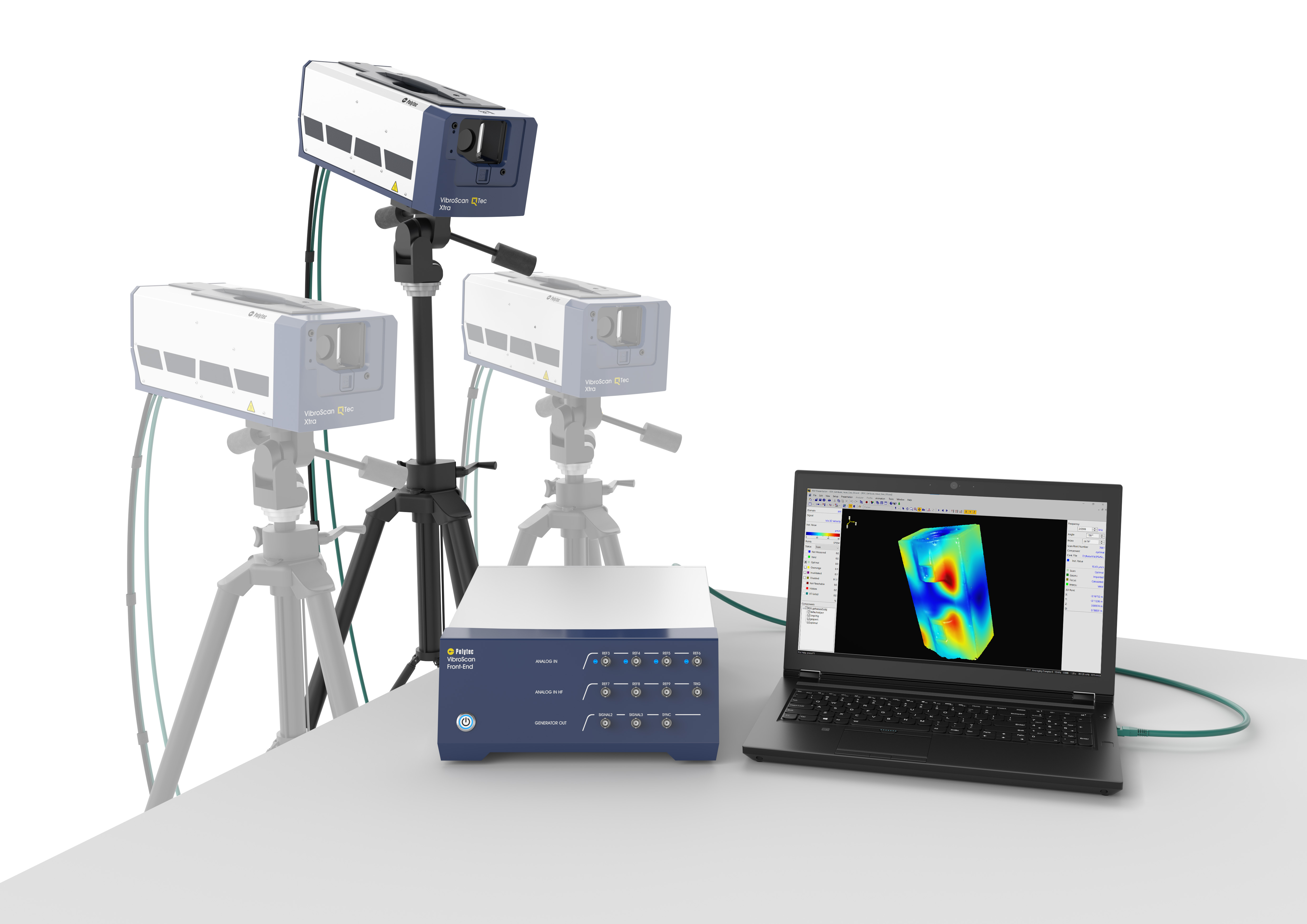
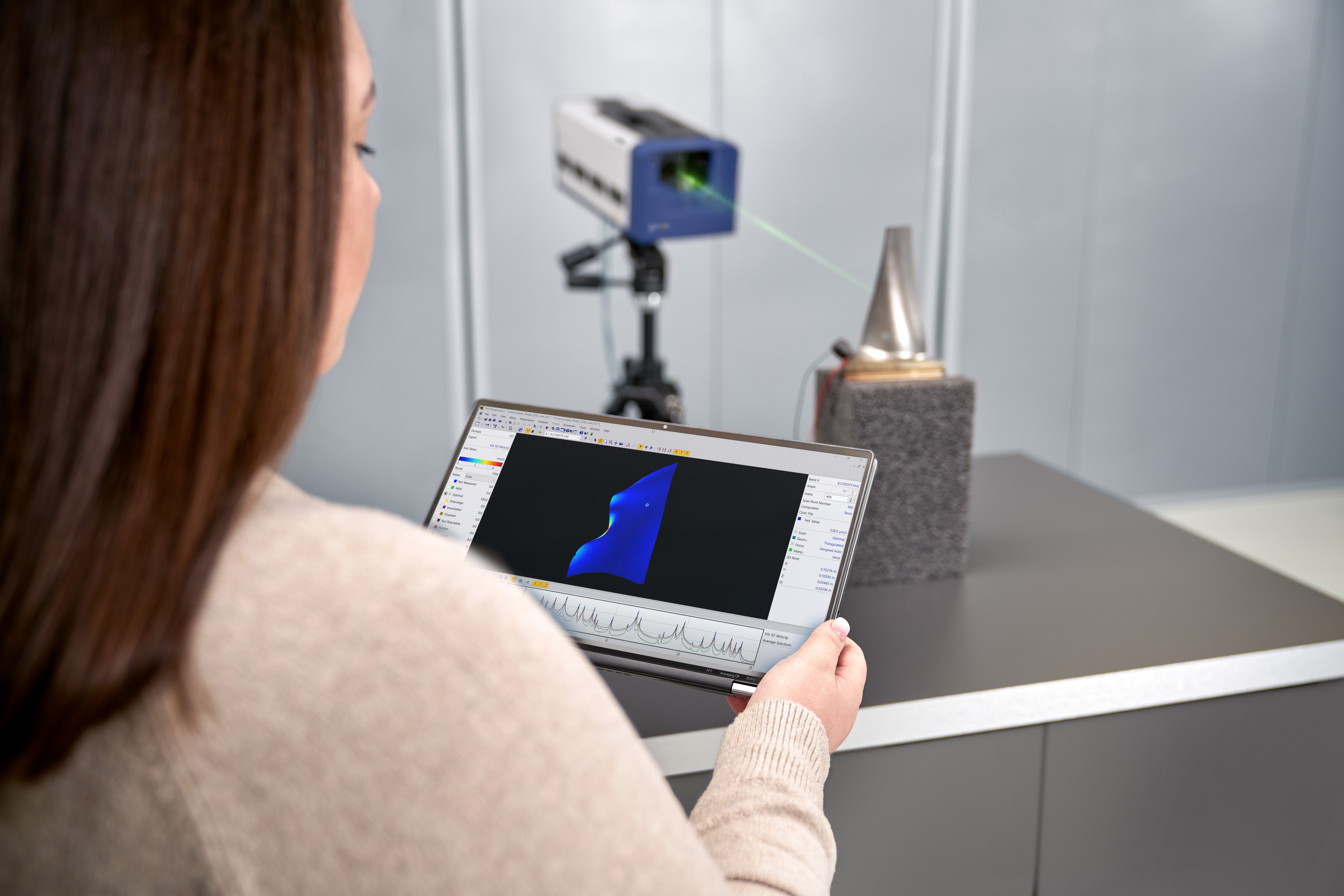
– Vibroscan QTEC Xtra SLDV measuring ODS on a turbine blade excited by an automatic hammer – Polytec GmbH
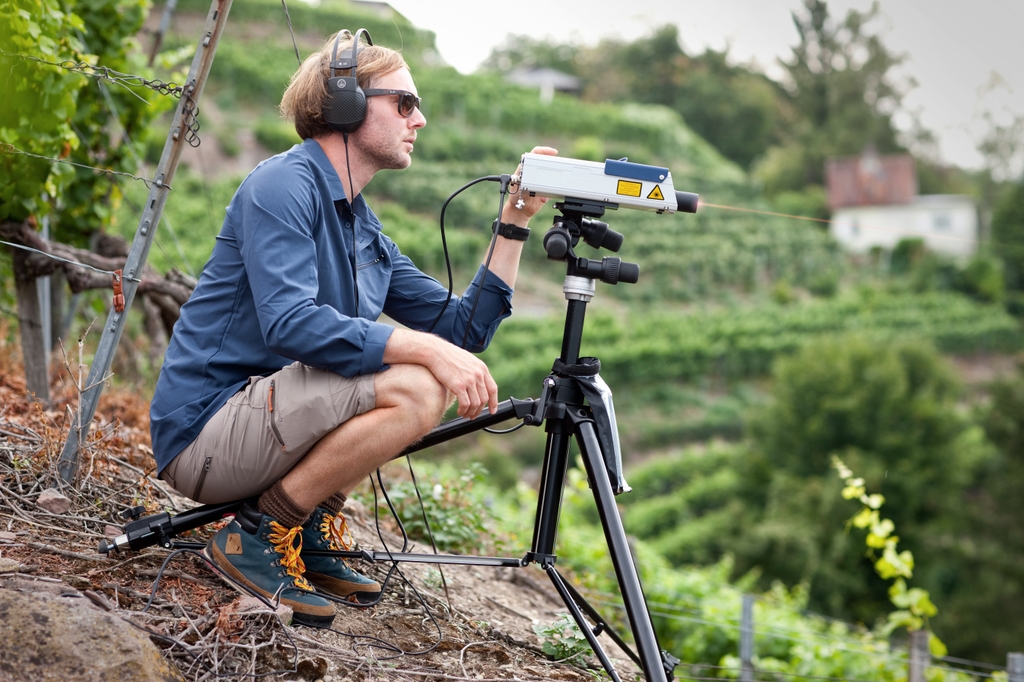
– VibroFlex Range, the outdoor-proof long-range laser sensor head designed for remote analysis of vibrating structures, model validation and health monitoring on large and distant structures from more than 500 m – Polytec GmbH
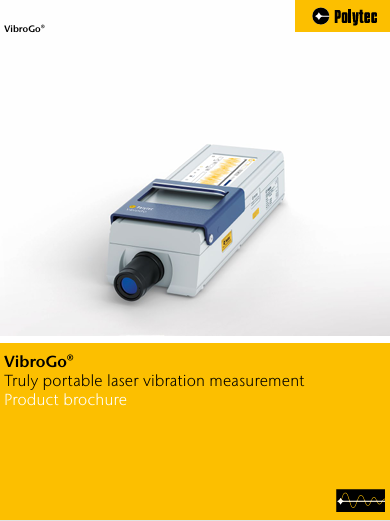
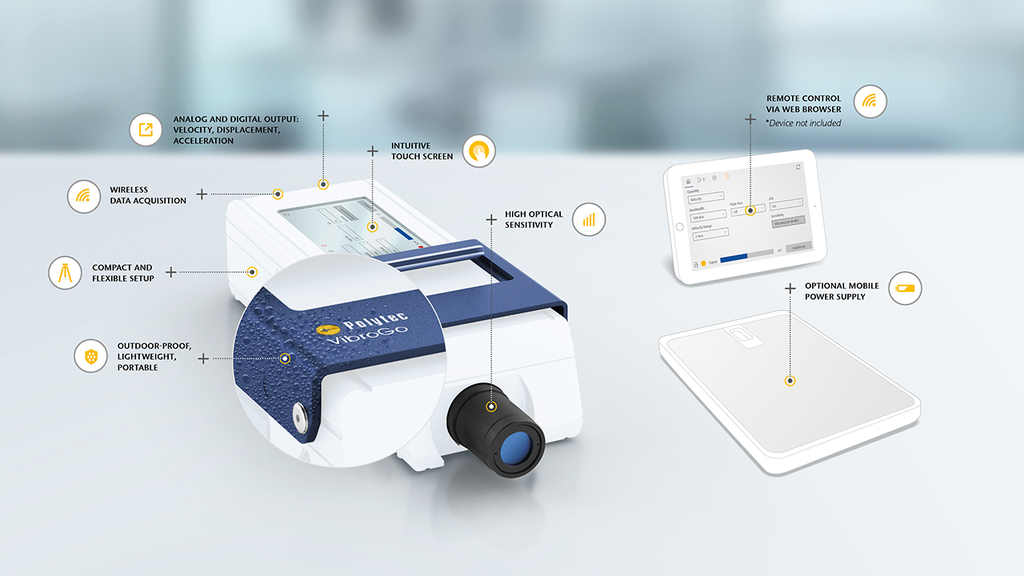
– VibroGo, the truly portable, battery powered digital laser vibrometer for field studies and quick and easy condition monitoring of machines and facilities – Polytec GmbH
– Optical measurement techniques for vibration measurements – MatchID
– Video Motion Magnification – Siemens Digital Industries Software
Special sessions
SPECIAL SESSIONS
The submission of proposals for the organisation of special sessions focusing on innovative and cutting-edge applications and developments relevant to the Conference is welcome. Authors willing to develop a special session are invited to contact the Conference Secretariat.
PROVISIONAL LIST of SPECIAL SESSIONS
– “CONTACTLESS MEASUREMENTS and COMPUTER VISION for PRECISION AGRICULTURE“
Organisers: Alessandro Annessi (1), Enrico Maria Lodolini (1), Veronica Giorgi (1)
(1) Department of Agricultural, Food and Environmental Sciences – Università Politecnica delle Marche
ABSTRACT:
This special session will highlight recent advances in contactless measurements and computer vision technologies for precision agriculture aiming to enhance crop management and resource efficiency. Topics will include the use of drones, satellites, and ground-based sensors for remote monitoring, as well as machine learning and computer vision algorithms for analysing plant architecture and health, soil conditions, and crop yield predictions. Key challenges such as data fusion, scalability, and real-time decision-making will be addressed, with a focus on developing solutions for automated crop management and monitoring, disease detection, and irrigation control. The objective of the session is to join together experts from academia, industry, and agribusiness to discuss innovative approaches that leverage contactless technologies for sustainable and efficient farming practices. Participants will explore the integration of multi-spectral imaging, LiDAR, thermal sensing, and drone-based data acquisition to optimize agricultural performance, enhance crop management, and minimize environmental impact.
________________________________________________________
– “VISION SYSTEMS and IMAGING TECHNIQUES in the CONSTRUCTION INDUSTRY: MEASUREMENT STRATEGIES to SUPPORT SUSTAINABILITY and CIRCULARITY“
Organisers: Gloria Cosoli (1), Giovanni Salerno (2), Maria Teresa Calcagni (2), Gian Marco Revel (2)
(1) eCampus University, (2) Department of Industrial Engineering and Mathematical Sciences – Università Politecnica delle Marche
DESCRIPTION:
The construction industry is responsible for one third of the waste produced in Europe. With a view to sustainability and circularity, it is fundamental to develop innovative tools and procedures to manage construction and demolition wastes (CDWs) in a different manner, paving the way for a significant paradigm shift in a sector that is usually reluctant to changes. In this context, new groundbreaking frameworks are emerging, such as reversible architectural design procedures and valorization routes aiming to prolong the life span of materials as far as possible.
In this regard, the importance of data is beyond doubt and sensing technologies can play a pivotal role. Furthermore, Artificial Intelligence (AI) techniques can be coupled with measurement systems to realize comprehensive tools for the valorization of CDWs. Infrared (IR) and hyperspectral imaging (HIS) techniques, Digital Image Correlation (DIC), and shearography are just a few examples of the techniques that can be effective to this purpose, laying the foundations of a more sustainable and circular construction sector.
The Special Session aims to promote the latest research contributions in this research field. Original papers are invited to be submitted, pointing out studies on the development of measurement strategies that can be based on imaging techniques (but not limited to them) for the characterization of construction and demolition waste with the ultimate goal of valorizing these materials, preferably reusing them in different structures/infrastructures or alternatively with recycle purposes.
This Special Session is organized in the framework of the RECONSTRUCT project (GA n° 101082265), aiming at developing a territorial construction system for a circular low-carbon built environment.
TOPICS
Topics of interest include but are not restricted to:
- Sensing technologies for CDWs characterization
- Digital technologies for CDWs characterization
- Imaging techniques for waste valorization
- Infrared imaging in construction
- Hyperspectral imaging in construction
- Digital Image Correlation in construction
- Shearography in construction
- Ultrasonic sensing in construction
- Spectroscopic measurement techniques in constructionImage based measurement techniques in construction
- Measurement technologies for circularity in construction
- Innovative solutions to enhance sustainability in construction
- Artificial Intelligence in CDWs valorization
- Data processing techniques
________________________________________________________
– “THE POWER of SEEING MOTION: INNOVATIONS in OPTICAL TECHNIQUES for VIBRATION and DYNAMIC TESTING“
Organisers: Emilio Di Lorenzo (1), Davide Mastrodicasa (2)
(1) Siemens Digital Industries Software, Simulation and Testing Solutions, Via Enrico Melen, 83 – 16152 Genoa (Italy) – emilio.dilorenzo@siemens.com
(2) Siemens Digital Industries Software, Simulation and Testing Solutions, Interleuvenlaan, 68 – 3001 Leuven (Belgium) – davide.mastrodicasa@siemens.com
Keywords: Optical Methods, Vibration Testing, Dynamic Motion Estimation, Non-Contact Measurement
DESCRIPTION:
This session will spotlight state-of-the-art optical methods revolutionizing motion estimation and modal analysis. Techniques such as Optical Flow (OF), Video Motion Magnification (VMM), Digital Image Correlation (DIC), Electronic Speckle Pattern Interferometry (ESPI), Laser Doppler Vibrometry (LDV), Moiré Interferometry, and High-Speed Imaging have become invaluable tools for non-contact analysis of vibrations, dynamic behavior, and structural performance.
By combining precision, versatility, and innovation, these optical approaches allow researchers and engineers to gain deeper insights into complex systems, from micro-scale dynamics to large-scale structural testing. This session aims to bridge the gap between academia and industry, offering a platform to share cutting-edge developments, practical applications, and interdisciplinary solutions in the fields of vibration, modal analysis, and dynamic testing.
We invite contributions from universities, research institutions, and industry showcasing how these optical methods are driving advancements in measurement accuracy, efficiency, and problem-solving in challenging environments.
Join us to explore how “seeing motion” will shape the future of dynamic testing.
We look forward to your participation and contributions to this exciting topic at AIVELA!
________________________________________________________
– “NON-CONTACT MEASUREMENT TECHNIQUES for ADVANCED STRUCTURES CHARACTERIZATION and RELIABILITY ASSESSMENT“
Organisers: Alessandro Annessi (1), Milena Martarelli (2), Paolo Chiariotti (3)
(1) Department of Agricultural, Food and Environmental Sciences, Università Politecnica delle Marche
(2) Department of Industrial Engineering and Mathematical Sciences, Università Politecnica delle Marche
(3) Department of Mechanical Engineering, Politecnico di Milano
ABSTRACT:
This special session will focus on the latest advancements in non-contact measurement techniques for the characterization and reliability assessment of advanced structures and their production process, which are crucial for their integration into existing or emerging technologies.
Advanced structures and metamaterials, with their unique properties, are being applied in fields such as electromagnetic devices, sensing systems, medical diagnostics, and mechanical structures. Their inherent complexity makes realization and verification of design constraints extremely challenging. Therefore, accurate and non-invasive methods for their evaluation are essential.
The session will cover a variety of state-of-the-art techniques, including optical and acoustic-based approaches, as well as innovations in full-field measurement techniques such as interferometry, holography, and imaging-based sensing. A key focus will be on improving measurement accuracy and precision, minimizing uncertainties, and enabling real-time, in-situ monitoring to ensure long-term performance and reliability.
By bringing together researchers, engineers, and industry professionals, the session aims to foster collaboration, share new methodologies, and outline future research challenges in the field.
Exhibition
An Exhibition will be organised in conjunction with the Conference to offer leading manufacturers of laser vibrometer systems, non contact instrumentation and systems for vibro-acoustic testing the possibility to bring their products and services directly to the attention of a selected audience.
Besides a physical booth at the Conference site, companies will have a dedicated space on the Conference website where they can publish:
- their name and logo
- their company profile
- hyperlinks to the company’s website, products, videos, news and social media accounts
- leaflets and images
Moreover, Exhibiting companies will have:
– their logo published in the Conference Programme
– the opportunity to present their corporate image and latest products within a special dedicated session of the Conference Programme.
Further information about fees and facilities can be obtained by contacting the Meeting Secretariat at: aivela@univpm.it.
AIVELA 2025 EXHIBITORS
(provisional list)



⇒ Click here to take a look at our Exhibitors’ latest products and services
Venue
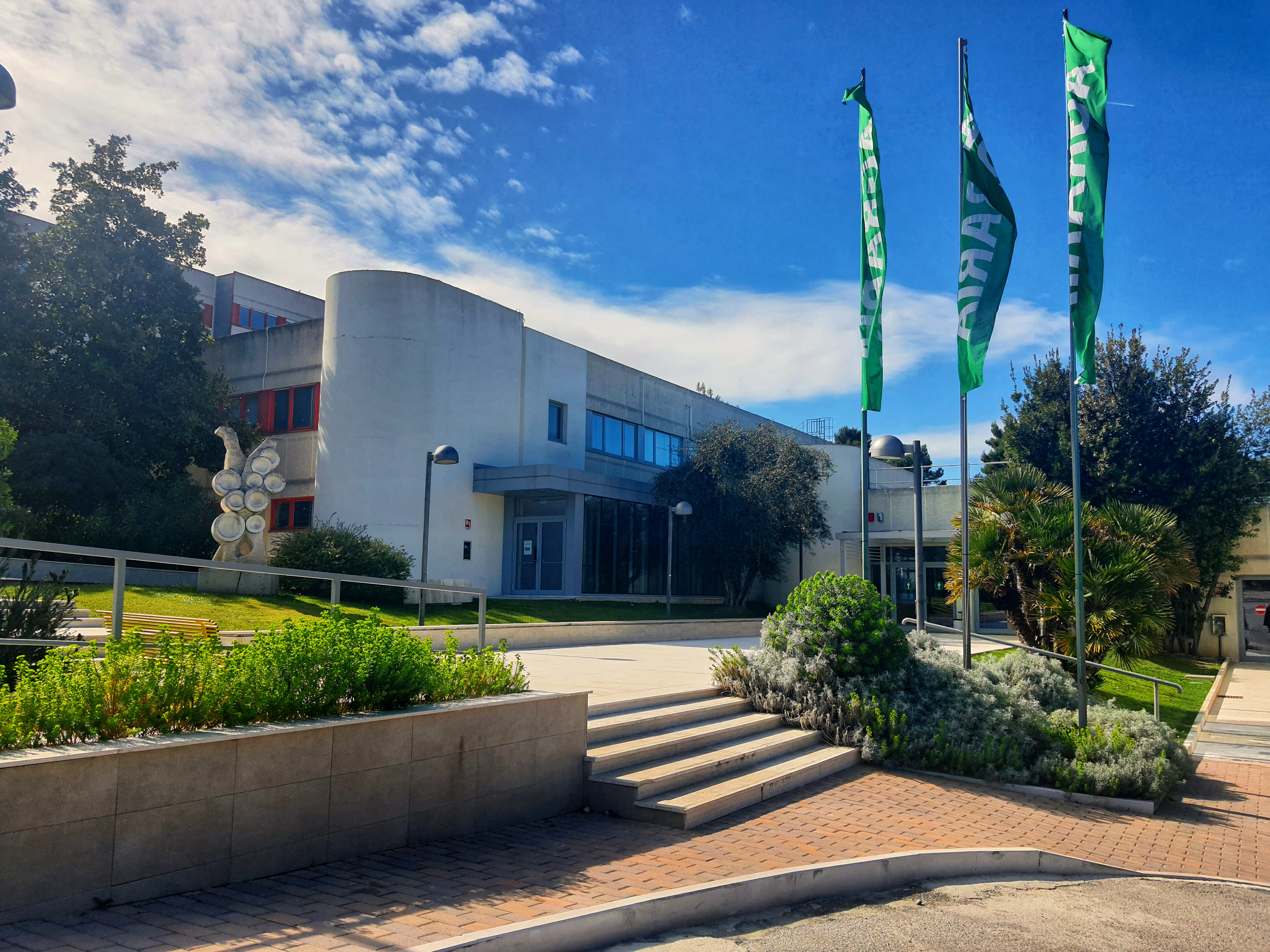
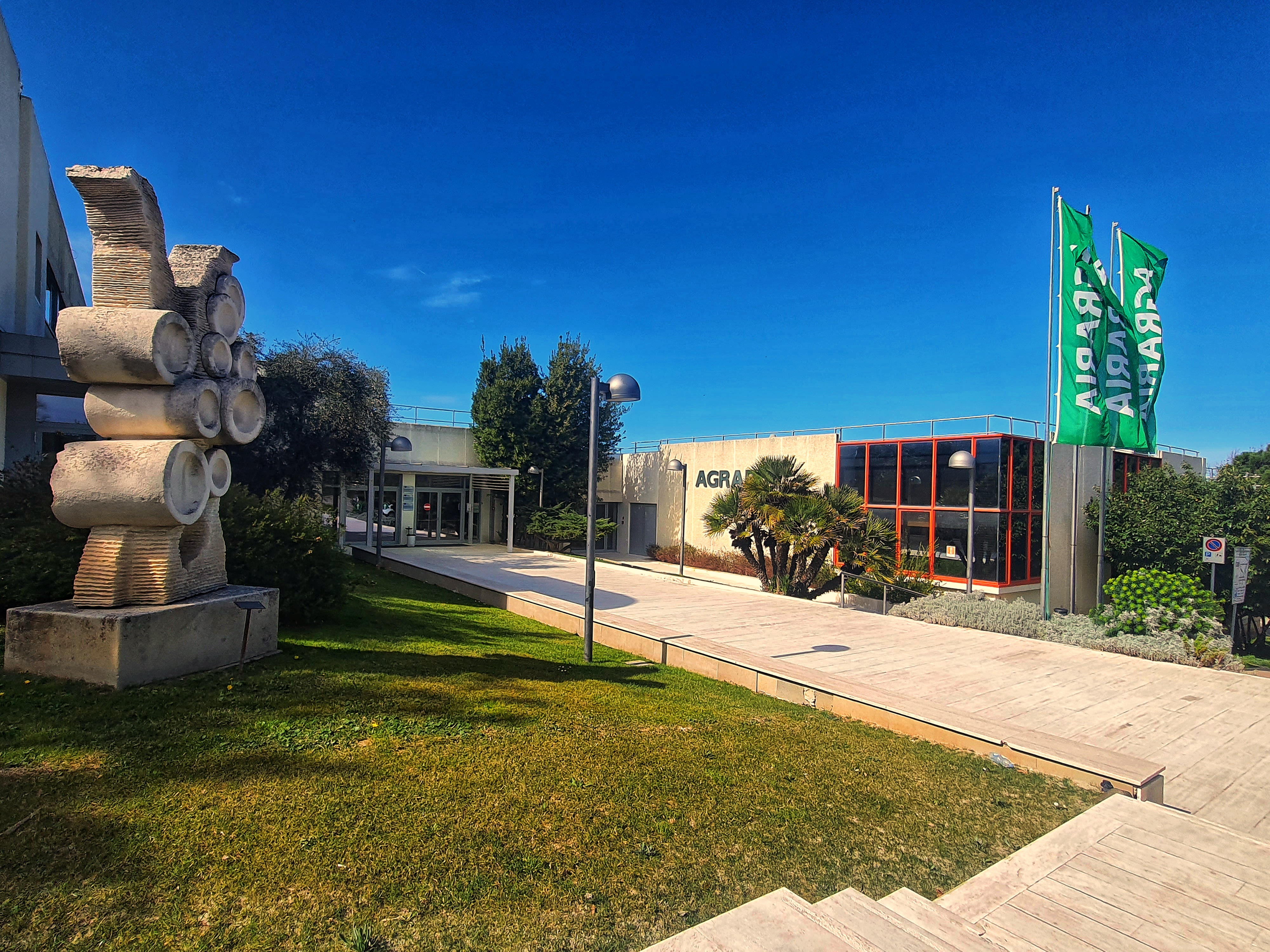
The 16th Intl Conference on Vibration Measurements by Laser and Noncontact Techniques & Exhibition will be held at the premises of the Faculty of Agricultural, Food and Environmental Sciences of Università Politecnica delle Marche.
The Faculty, which is a modern complex within the Monte Dago campus, stands right behind the Faculty of Engineering.
The full address of the Faculty is:
Via Brecce Bianche 10,
60131 Ancona
Tel (+39) 071.220.4935 (caretaker)
HOW TO REACH THE FACULTY
By Plane
From “Raffaello Sanzio” airport to the centre of Ancona:
– take the Aerobus Raffaello shuttle to Ancona.
The bus runs every day, it stops at Ancona Railway station and Piazza Cavour (town centre) and the journey takes about 30 mins. Tickets can be purchased onboard. The price is € 5,50.
The times change according to the flights’ timetable.
– take the train from Castelferretti to Ancona railway station and then #1/4 bus to Tavernelle. Check https://www.trenitalia.com/ for times and fares.
– take a taxi (www.ctftaxi.it, www.taxifalconara.it)
– rent a car (AUTONOLEGGIO MAGELLANO +39 071 9157086, AUTOVIA +39 071 9188038, AVIS +39 071 52222, EUROPCAR +39 071 9162240, HERTZ +39 071 2073798, LEASYS +39 071 9716163).
By Car
Take the A14 Bologna-Bari motorway, turn off at Ancona Sud, then follow the signs to Ancona and turn off at “Università”.
By Train
From Ancona Railway Station, take # 1/4 bus to the Faculty terminal in Tavernelle.
By Bus
– #46 bus leaving from Piazza Cavour (in the town centre). The bus runs every 15 mins and stops right in front of the main gates to the Monte Dago campus. The journey takes about 10 mins.
Once you reach the Monte Dago Campus, don’t enter the main gates to the campus but walk down the hill for about 40 m, walk pass a second gate (ingresso 2) and enter the third gate (ingresso 1) on your left. Take the first on the right and then the first on your left and go straight on until you reach the main building of the Faculty of Agricultural, Food and Environmental Sciences.
Download bus #46 timetable here.
– #1/4 bus from the town centre -Piazza IV Novembre (Passetto) to the Faculty terminal in Tavernelle. The bus stops at Piazza Cavour, Piazza Kennedy (near the Muse theatre) and Ancona Railway station.
Once you reach the terminal in Tavernelle, cross the road, turn left and take the first on the right. Walk up the hill for 120 m then take the pedestrian overpass. At the end of the overpass you will see a big gate on your right (ingresso 1), which is one of the gates to the campus. Enter the gate, take the first on the right and then the first on your left and go straight on until you reach the Faculty main building.
Downolad bus #1/4 timetable here.
Bus tickets can be bought through the app mycicero (http://www.mycicero.eu/) or from newsagents. Some buses sell tickets onboard1Exhibi
Ancona & the Conero Riviera
Ancona is situated in the centre of Italy, in the Marche Region, on a beautiful harbour facing the Adriatic Sea, 210 km northeast of Rome and 200 km southeast of Bologna.
It’s Greek name, Ankon, means elbow.
The town, in fact, stands on a promontory that has the shape of an elbow, offering spectacular sunrises and sunsets over the sea.
TRAVELLING TO ANCONA
Ancona can be easily reached
by plane: “Aeroporto Internazionale di Ancona” (10 Km from Ancona town centre)
by train: direct connections from Milan – Rome- Bologna
by car: Motorway A14 Bologna – Taranto: Ancona Nord and Ancona Sud exits.
ABOUT ANCONA

Vincisgrassi
A variant of the classic lasagna, it is a typical Sunday lunch dish.
Legend has it that in 1799 a chef from Ancona cooked this dish for General Windisch-Graetz, from which the name “Vincisgrassi” derives.The ingredients for this delicious recipe are: fresh egg pasta, meat sauce, parmesan cheese and béchamel.
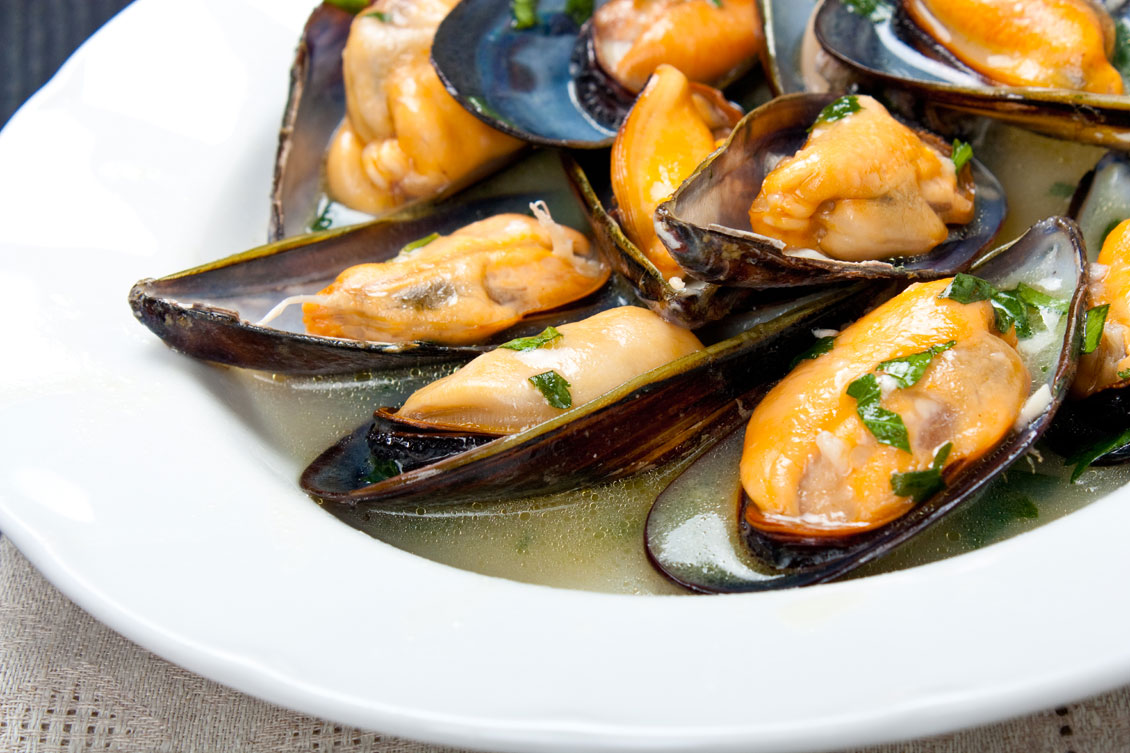
Moscioli
Moscioli are a particular type of wild mussel that can be found only in Portonovo bay and only in very small quantities. Their taste is so special that they are recognised and protected by Slow Food. They can be cooked in different ways and used in different recipes, however real moscioli lovers like them raw with just a squirt of lemon juice.
TYPICAL WINES

Rosso Conero
This is without doubt the “historic” wine of the district.
Mentions of it date back to Pliny (AD 23/24 – 79).
Structured and composed, Rosso Conero is a wine with an intense ruby colour, the jewel in the crown of local winegrowing.
It is mainly suitable for meat-based dishes, which bring out the austere flavour and moderate tannins.
If aged for at least two years, it becomes Rosso Conero Superiore, which is softer on the palate, with a strong fruity component.
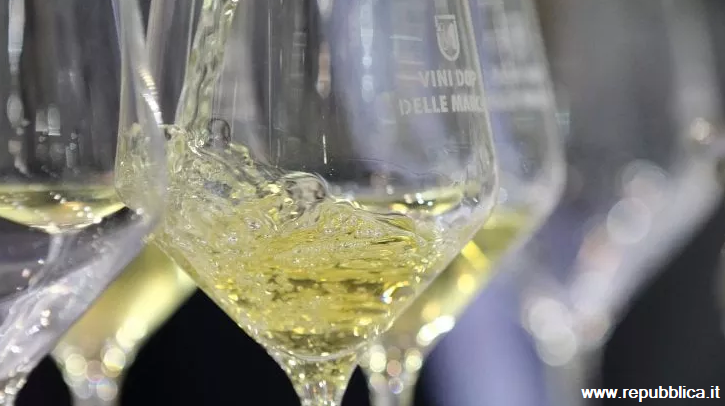 Verdicchio dei Castelli di Jesi
Made from Verdicchio grape variety, Verdicchio dei Castelli di Jesi is a DOC wine produced in the provinces of Macerata and Ancona.
Thanks to the particular quality of the soil, the good exposure and the cool sea breezes, this wine offers a complex aromatic profile.
Structured, full-bodied, elegant, it has a straw-yellow colour with evident greenish reflections. Verdicchio is ideal for pasta dishes, risotto and fish-based dishes.
ARCHAEOLOGY
The history of Ancona is closely connected with Imperial Rome, from the second century BC onwards. We can see it as we look at the principal archaeological monuments that are still visible.
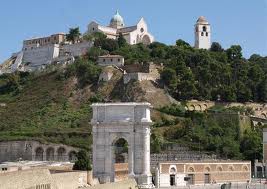
In the port we find the arch of Trajan, a gift from the Emperor to the city (115 AD) and a notable example of the constructional work of the period.
Moving uphill from the port, we reach the nearby Colle Guasco. Here we find the ruins of a Roman amphitheatre, an impressive construction of the Augustan period. Attached to it is what many believe to have been a “school for gladiators”, housed in a building with mosaics of the same period.
Further up, on the top of the hill, there is Saint Ciriaco’s Cathedral, which rises above the remains of a large temple dedicated to Venus Euplea, the goddess who was the protector of good navigation. The bases of the temple’s columns are still visible under the cathedral.
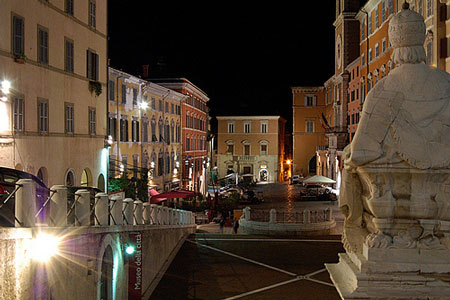
Piazza del Plebiscito, also called Piazza del Papa (Pope’s square), is one of the most ancient squares in the historical town centre.
This is where some of the most important monuments of Ancona can be found, such as Palazzo del Governo, the Church of San Domenico and the statue of Pope Clement X.
Click here to find out more about this magical town.

The Conero Riviera is the stretch of the Adriatic coast that extends from the port of Ancona to that of Numana.
It takes its name from Mount Conero, which forms the homonymous promontory overlooking the sea.
At the foot of Mount Conero there is a whole series of white pebble beaches, bays, sea caves and woods surrounded by unspoilt nature.
The Conero Riviera is protected by the Conero Regional Park.
Click here to download the OFFICIAL GUIDE of the CONERO RIVIERA
Committees & Secretariat
SCIENTIFIC COMMITTEE
– E.P. Tomasini (Chairman), Marche Polytechnic University, Italy
– K. M. Abramski,Wroclaw Univ. of Technology, Poland
– M. S. Allen, Wisconsin-Madison, USA
– P. Avitabile, University of Massachusetts Lowell, USA
– E. Di Lorenzo, Siemens Digital Industries Software, Italy
– D. Di Maio, University of Twente, the Netherlands
– J. Dirckx, University of Antwerp, Belgium
– A. Dräbenstedt, Polytec GmbH, Germany
– B. Halkon, University of Technology Sydney, Australia
– S. Heyns, University of Pretoria, South Africa
– D.J. Inman, University of Michigan, USA
– M. Ismail, King Fahd University, Saudi Arabia
– A. Lohrengel, Clausthal University of Technology, Germany
– M. Martarelli, Marche Polytechnic University, Italy
– F. Mendoza Santoyo, CIO A.C., Mexico
– C. Niezrecki, University of Massachusetts Lowell, USA
– N. Paone, Marche Polytechnic University, Italy
– C. Rembe, Clausthal University of Technology, Germany
– D.J. Rixen, Technische Universität München, Germany
– J. Rohrbaugh, Washington University in Saint Louis, USA
– S.J. Rothberg, Manchester Metropolitan University, UK
– J. Sauer, Polytec GmbH, Germany
– A. Styk, Warsaw University of Technology, Poland
– H. Van der Auweraer, Siemens Industry Software NV, Belgium
– S. Vanlanduit, Vrije Universiteit Brussel, Belgium
– J.F. Vignola, The Catholic Univ. of America, USA
– L. Zhang, Changcheng Institute of Metrology & Measurement, China
– W. Zhu, University of Maryland, USA
LOCAL ORGANISING COMMITTEE
– M. Martarelli, Marche Polytechnic University, Italy
– P. Castellini, Marche Polytechnic University, Italy
– P. Chiariotti, Politecnico di Milano, Italy
HONORARY COMMITEE
– A. Albertazzi G. Jr, Univ. Federal de Santa Catarina, Brazil
– J.R. Arruda, University of Campinas, Brasil
– A.K. Asundi, Nanyang Technological Univ., Singapore
– K. Bendel, Robert BOSCH GmbH, Germany
– D.B. Bogy, University of California, Berkeley, USA
– X. Carniel, Centre tech. Industries Mecaniques, France
– A. Chakari, LSP, Univ. L. Pasteur, Illkirch, France
– W. Decraemer, University of Antwerp, Belgium
– D.J. Ewins, Imperial College, London, BLADE, Bristol, UK
– H.J. Foth, University of Kaiserslautern, Germany
– P. Guillaume, Vrkje Universiteit Brussel, Belgium
– N.A. Halliwell, Loughborough University, UK
– S.M. Khanna, Columbia University, New York, USA
– A.G. Mignani, IROE-CNR, Firenze, Italy
– L.D. Mitchell, former Virginia Tech., Blacksburgh, USA
– N. Okubo, Chuo University, Tokyo, Japan
– W. Osten, Universität Stuttgart, Germany
– G. Pedrini, Universität Stuttgart, Germany
– G.C. Righini, IROE-CNR, Firenze, Italy
– P. Sas, University of Leuven, Belgium
– H. Tiziani, University of Stuttgart, Germany
– R. van Es, Shell, The Netherlands
– H.J. von Martens, PTB, Berlin, Germany
– E. Wagner, Fraunhofer Inst. Physik. Messtech., Freiburg, Germany
SECRETARIAT
For information about the event, please contact the Conference Manager:
c/o A.I.VE.LA.
Department of Industrial Engineering and Mathematical Sciences
Marche Polytechnic University
Via Brecce Bianche
Ancona, I- 60131
e-mail: aivela@univpm.it
Accommodation
The following is a list of hotels along the bus route to the venue.
HOTEL | LOCATION | Bus | |
town centre | |||
Hotel Milano *** | about 5 mins walk to Piazza Cavour | #46 bus from Piazza Cavour (terminal Università-Monte Dago) | |
The City Hotel *** | less than 5 mins walk to Piazza Cavour | #46 bus from Piazza Cavour (terminal Università-Monte Dago) | private parking |
10 mins walk to Piazza Cavour | #46 bus from Piazza Cavour (terminal Università-Monte Dago) | ||
town centre – near the harbour | |||
Grand Hotel Palace **** | 5 mins walk to Piazza Kennedy | #1/4 bus from Piazza Kennedy (near the Muse theatre) (terminal Tavernelle) | private parking |
NH Ancona **** | 5 mins walk to bus stop in Via XXIX Settembre | #1/4 bus from Via XXIX Settembre (terminal Tavernelle) | private parking |
SeePort Hotel **** | 5 mins walk to bus stop in Via XXIX Settembre | #1/4 bus from Via XXIX Settembre (terminal Tavernelle) | private parking |
Passetto | |||
Grand Hotel Passetto **** | 3 mins walk to bus stop in Piazza IV Novembre | #1/4 bus from Piazza IV Novembre (terminal Tavernelle) | |
opposite Ancona railway station | |||
Hotel Fortuna *** | in front of the bus stop | #1/4 bus from Piazza Rosselli (terminal Tavernelle) | |
Hotel Della Rosa *** | in front of the bus stop | #1/4 bus from Piazza Rosselli (terminal Tavernelle) | |
near Piazza Ugo Bassi | |||
Ankon Hotel *** | 3 mins walk to bus stop in Piazza Ugo Bassi | #1/4 bus from Piazza Ugo Bassi (terminal Tavernelle) | |
near the venue (car needed) | |||
V Hotel **** | 5 mins drive from the venue | private parking | |
9 mins drive from the venue | private parking |
Registration & Fees
To register for the Conference, participants are kindly requested to fill in and send the registration form together with the form for the consent to the treatment of personal data duly signed to the AIVELA Secretariat by e-mail: aivela@univpm.it.
Download the REGISTRATION FORM here.
Download the TREATMENT OF PERSONAL DATA FORM here.
PARTICIPATION FEES
| CONFERENCE, 24 – 26 JUNE 2025 | ||
| FEES | BEFORE 20th MAY | FROM 21st MAY |
| REGULAR | € 550.00 | € 600.00 |
| STUDENT | € 400.00 | € 450.00 |
| EXTRA PAPER | € 80 | € 80 |
Fees for the Conference include membership to AIVELA, publication of 1 paper, proceedings, coffee breaks and lunches, the gala dinner, entrance to the Exhibition on 24-26 June.
Lunches and dinners for accompanying persons must be booked in advance. Contact the Secretariat for further details.
PAYMENT
Payment must be made by bank transfer to the credit of:
A.I.VE.LA.
c/o Dipartimento di Ingegneria Industriale e Scienze Matematiche
via Brecce Bianche, 60131 Ancona
C.F. 93038610429
Bank: UNICREDIT- Agenzia di Via Bruno Buozzi 14, Ancona
IBAN: IT 90 G 02008 02627 000005926544
BIC SWIFT: UNCRITM1Q18
Exhibitors
Ommatidia LiDAR S.L.
Madrid Science Park
7 Faraday Street
28049 Madrid
Spain
Tel. +34 610 012 748
Email: info@ommatidia-lidar.com



COMPANY PROFILE
Ommatidia LiDAR specializes in the digitalization of our world.
We support the 4th industrial revolution with accurate 3D data of machines, vehicles, their environment, infrastructure and buildings.
This information will improve production processes, create new products and services, and allow the next wave of automation.
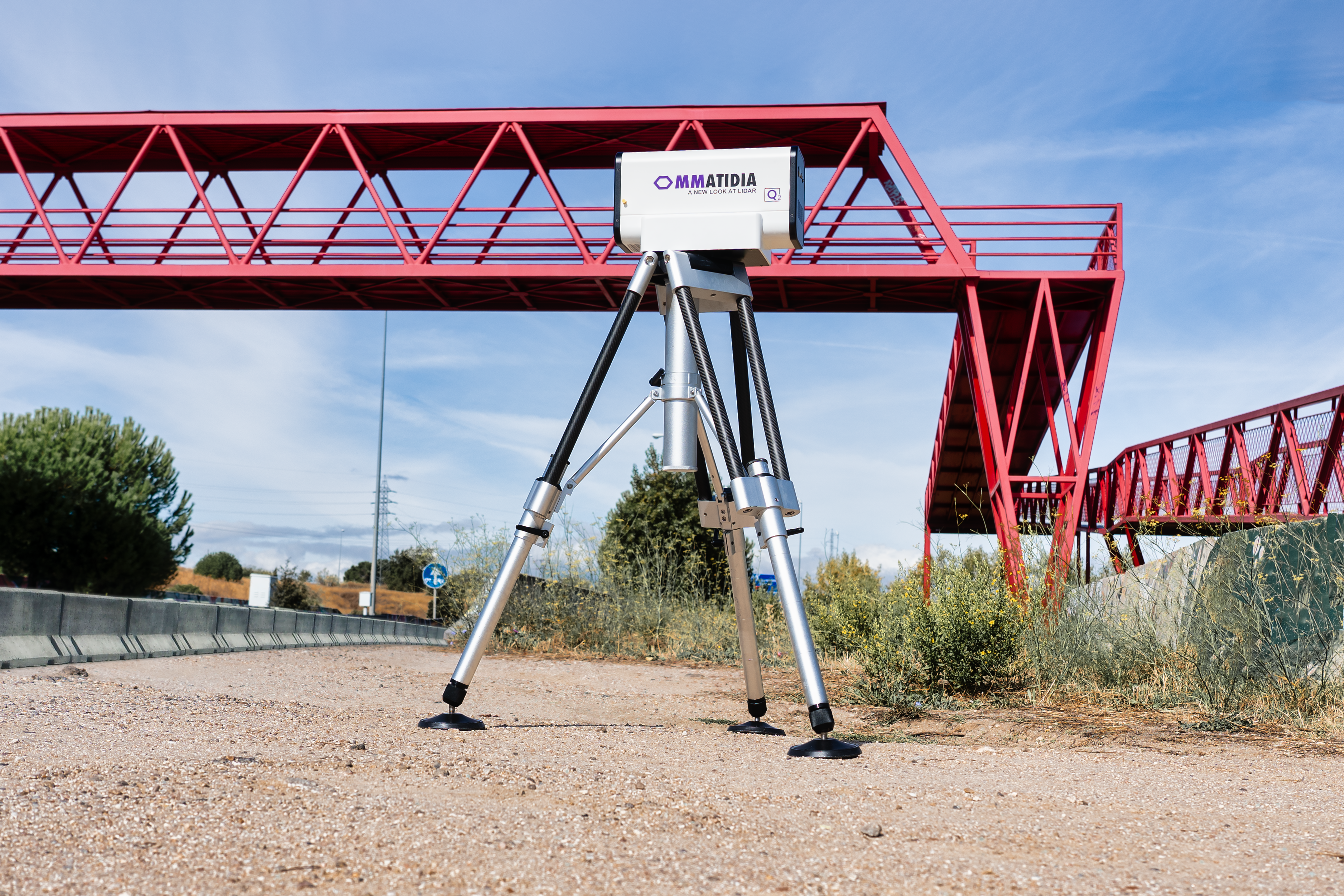
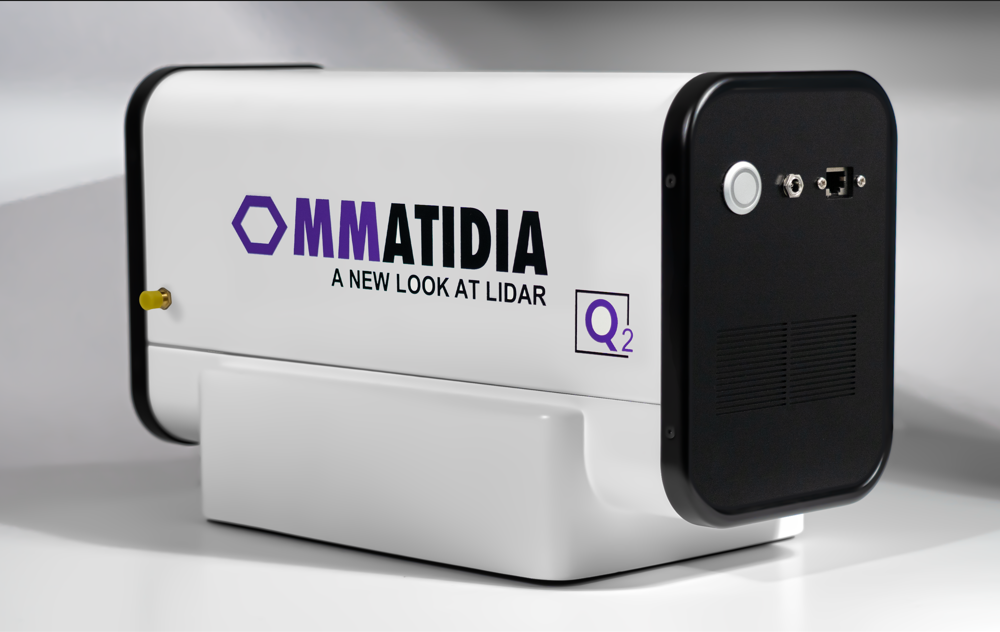
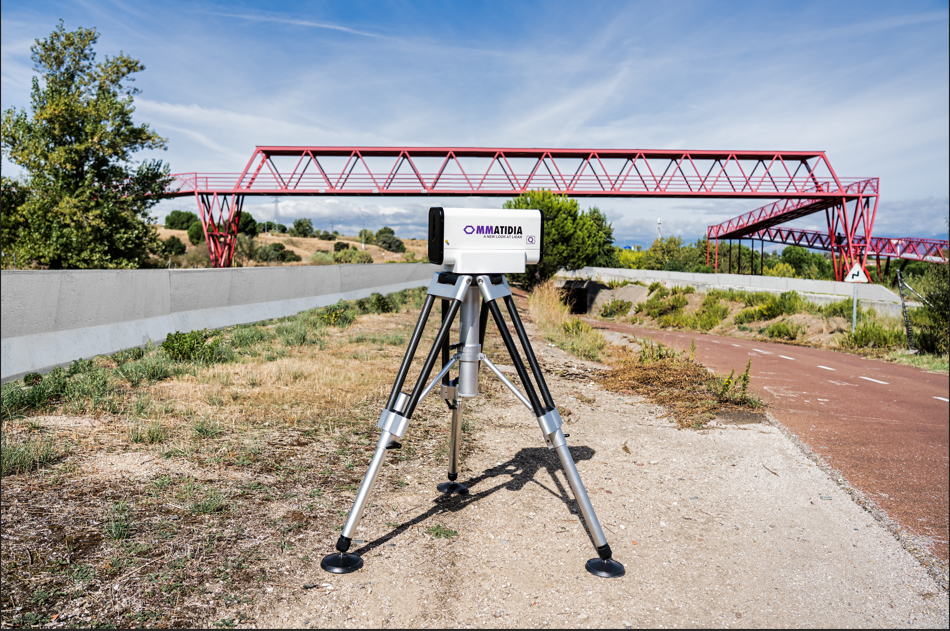
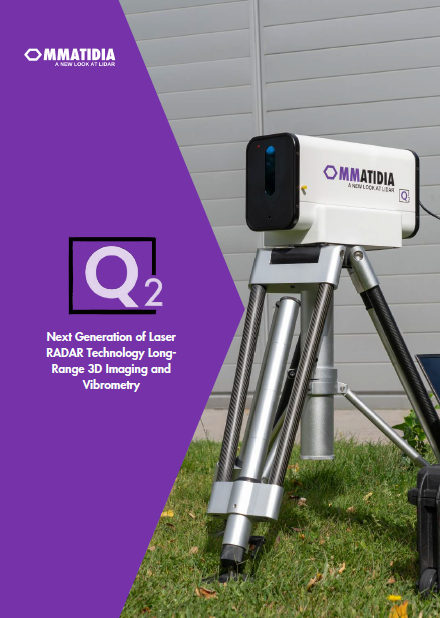
Q2 Laser RADAR
The Next Generation Of 3D Vibrometry
Massively Parallel Laser technology, generating multi parallel laser beams to enable local measurement of sub-millimeter displacements and real-time vibration analysis for large structures.
Each laser beam functions as a non-contact gauge and precision accelerometer, offering detailed insights into structural deflection under load and dynamic behavior.
With high-sensitivity measurements at every laser projection point, the Q system is a powerful tool for structural engineers and researchers. Its innovative Massively Parallel Laser Architecture exceptional precision and robust data to ensure the safety and longevity of civil infrastructure.
Click on the image to download the brochure

Contact person:
Dr Grégory Pandraud
Director, VP of Research
Mobile: +31 624 888849
Email: GREGORY@oMMATIDIA-LIDAR.COM
POLYTEC GmbH
Polytec-Platz 1-7
76337 Waronn
Germany
Tel: +49 7243 604-0
Fax: +49 7243 69944
Email: info@polytec.de

COMPANY PROFILE
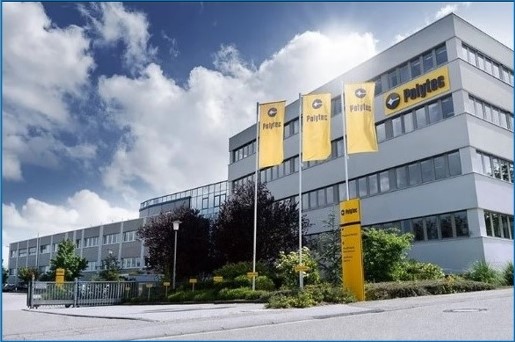
The innovative high-tech company Polytec has been developing and producing optical metrology solutions for research and industry for more than 50 years. This includes systems for vibration measurement, surface characterization, length and velocity measurement, process analytics and optical systems.
Polytec operates subsidiaries in Europe, North America and Asia and offers a worldwide service network.
As the world market leader in laser vibration measurement, Polytec defines the global standard in research, product development and quality control.
Polytec customers use a comprehensive range of solutions for virtually any vibration-related issue in research, development, production and condition monitoring.
Laser Doppler vibrometers are used to inspect objects of widely varying sizes – from entire car bodies, large aerospace parts, motors and actuators to micro-devices such as MEMS or biomedical samples and components in the micrometer range.
VibroScan QTec
Scanning Vibrometer
A new class – for new ideas
Click on the image to download
the brochure
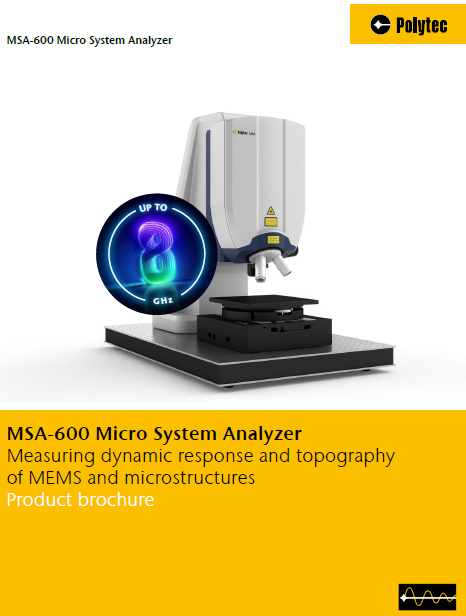
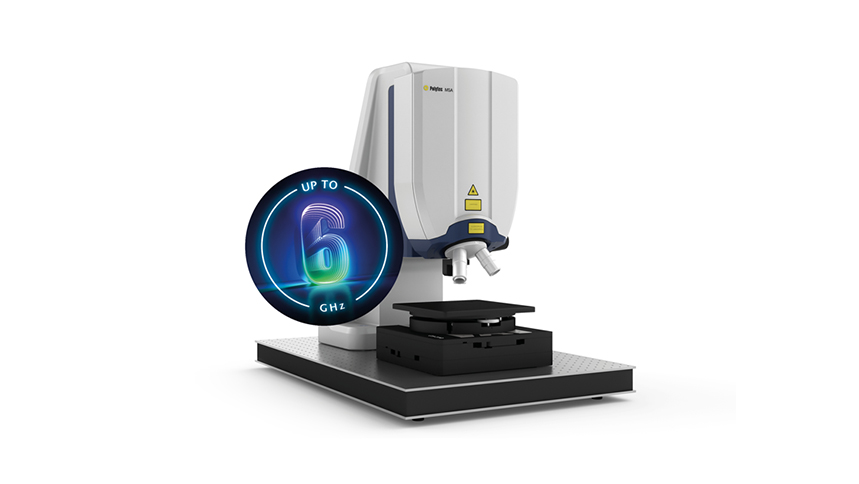
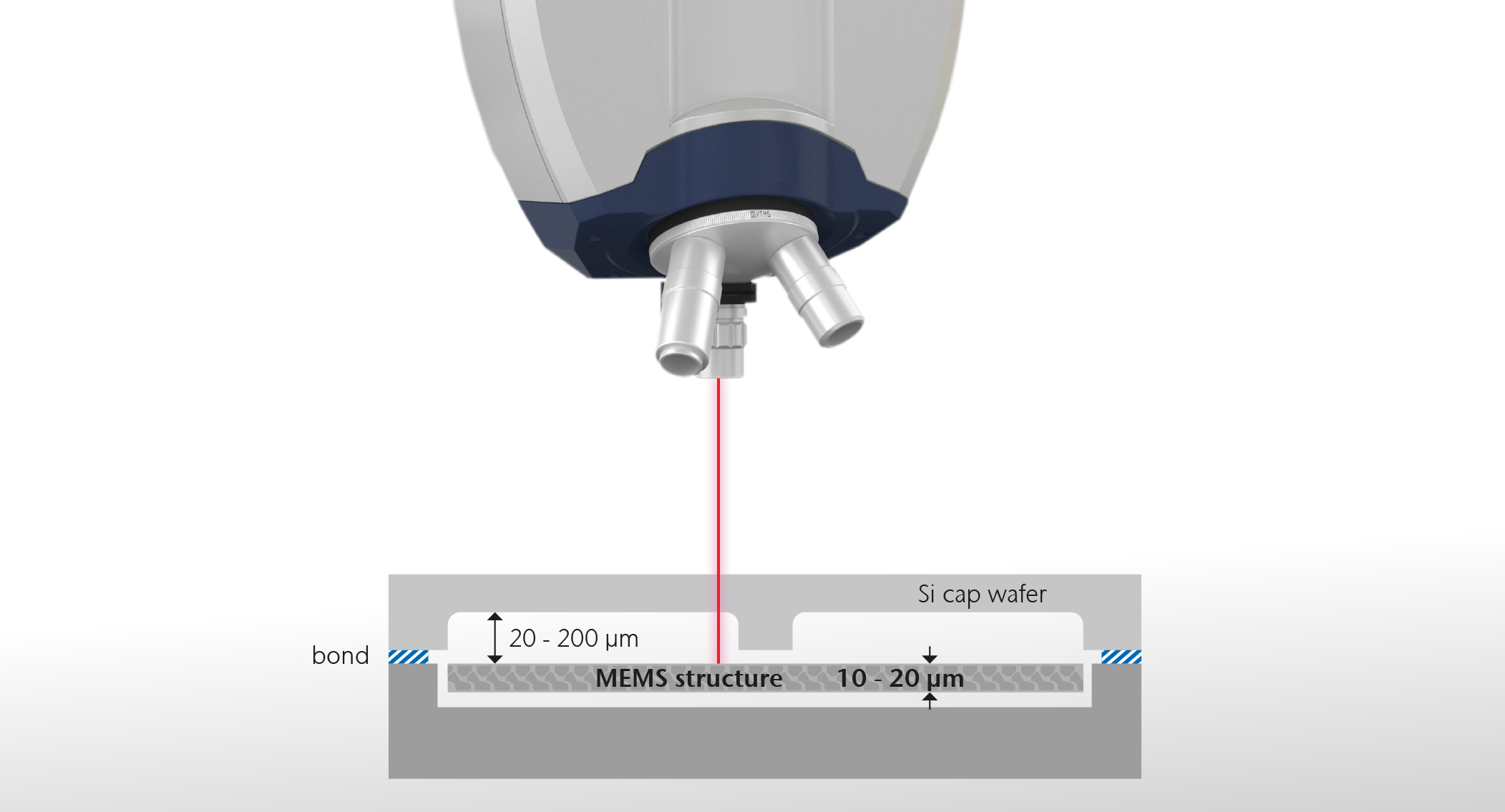
MSA-600
Micro System Analyzer
Measuring dynamic response and topography of MEMS and microstructures
Click on the image to download
the brochure
VibroGo®
Truly portable laser vibration measurement
Click on the image to download
the brochure
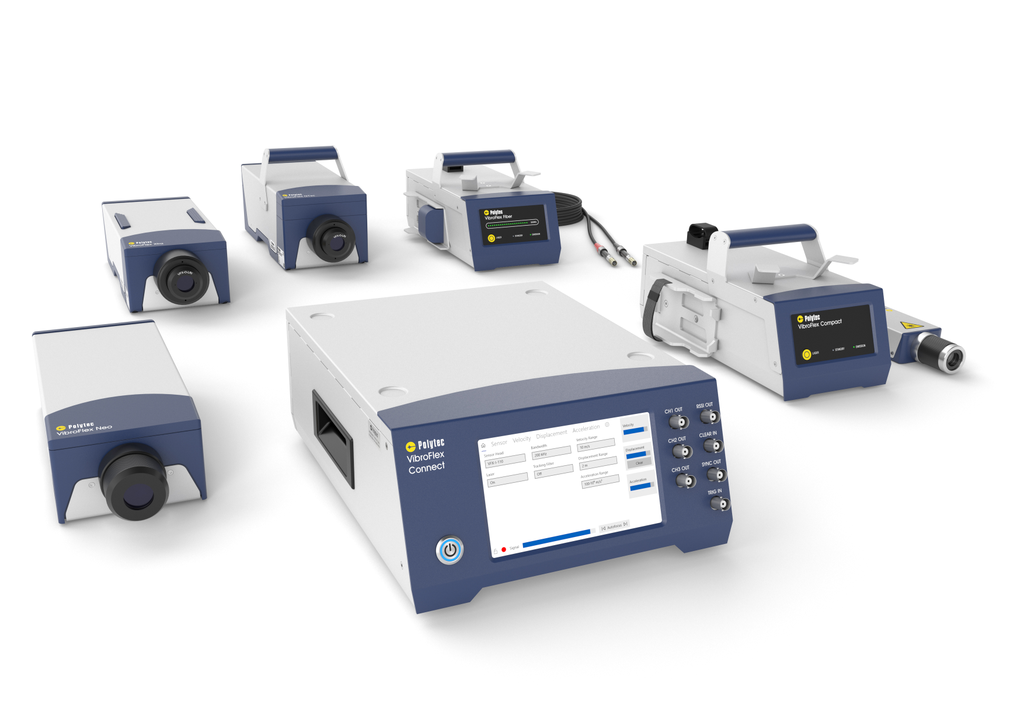
VibroFlex
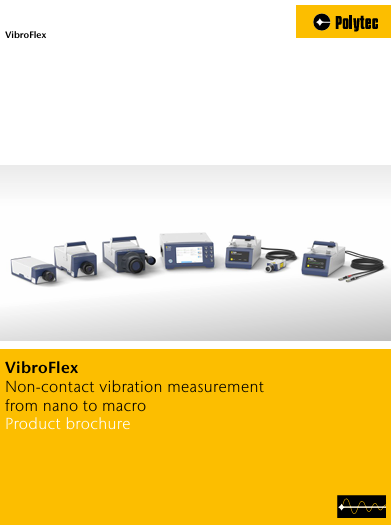
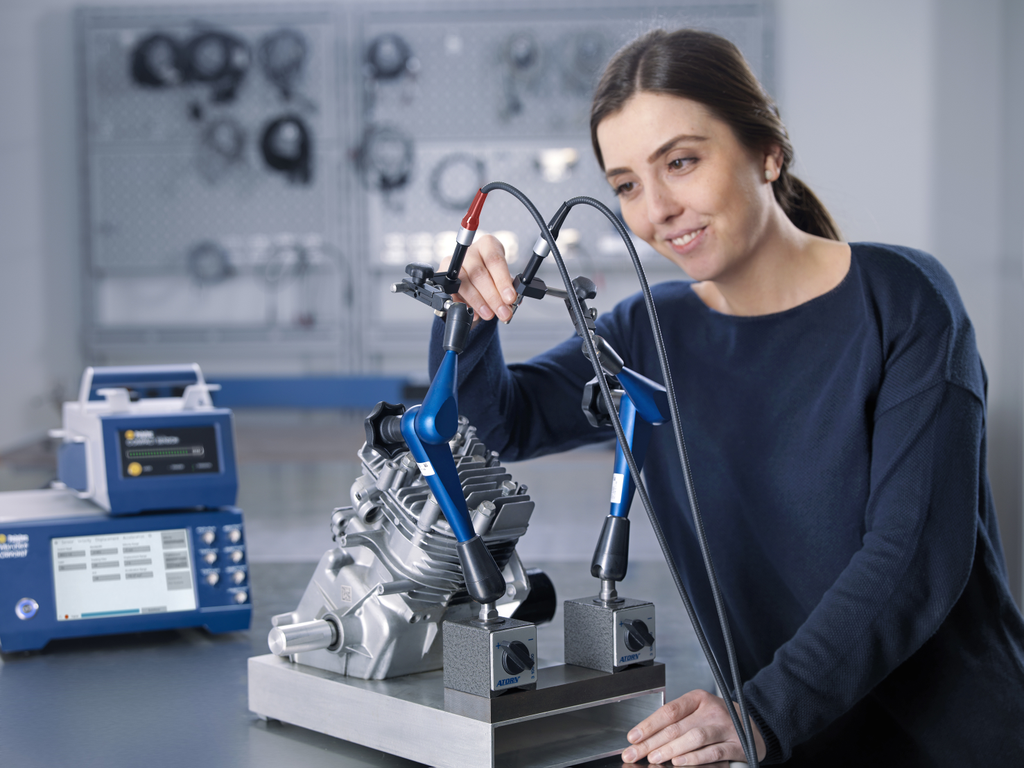
The superior flexibility in optical vibration measurement from nano to macro-sized structures
Click on the image to download
the brochure
Service and support
PolyXpert engineering services,
system rentals and technical support
Click on the image to download the brochure

Contact us now!
For any questions you may have, I am looking forward your call or email:
Dipl.-Phys. Thomas Karasinski
Sales International
Phone: +49 7243 604-1030
Mobile: +49 172 7275632
E-Mail: t.karasinski@polytec.de